Why So Much of the Media Stays Silent on Gaza — and Who’s Keeping It That Way
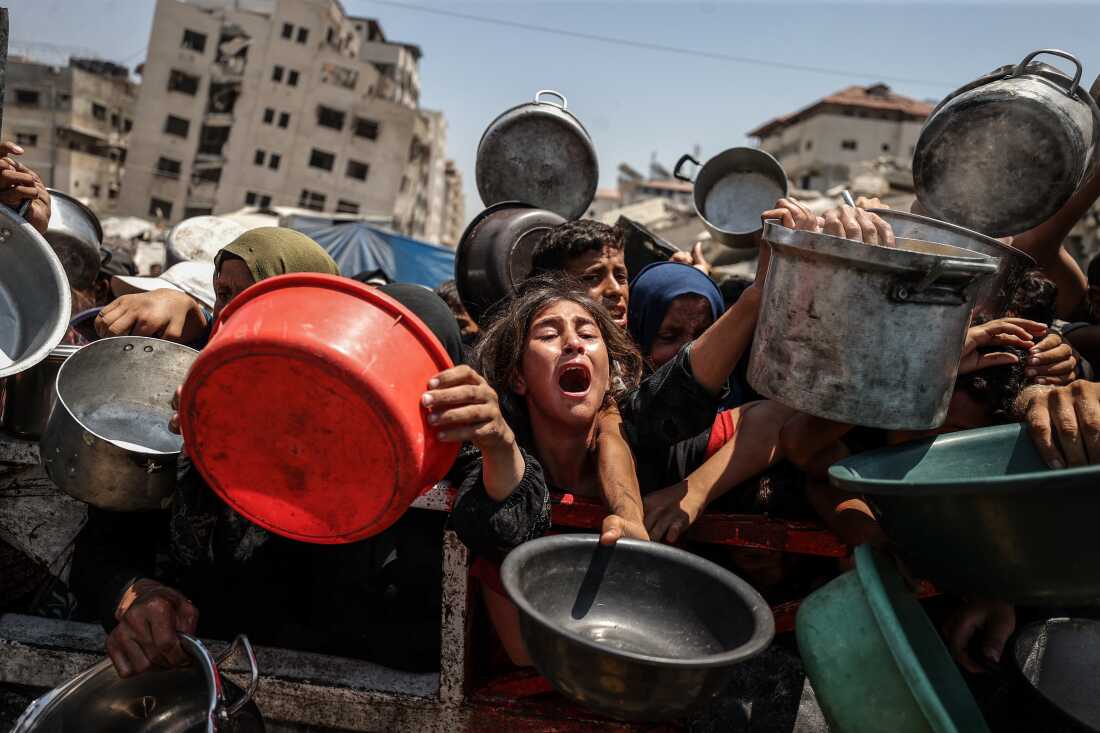
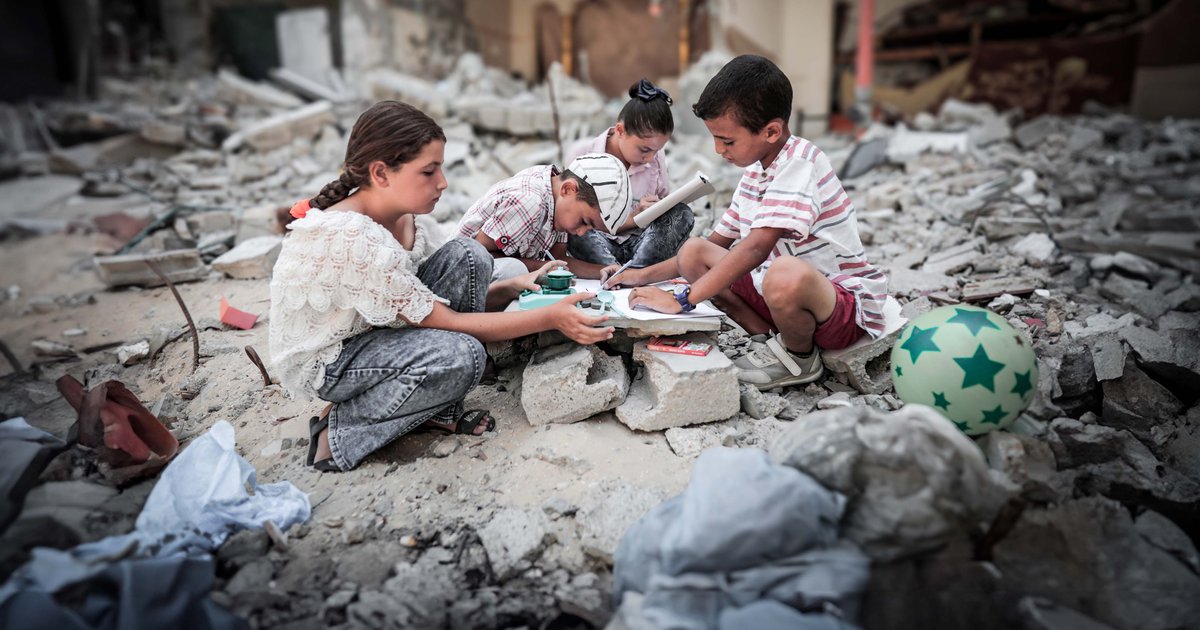
It’s a place you’re constantly told is “complicated.” It’s always “escalating,” “sensitive,” or “deeply rooted in history.” Gaza—the narrow coastal strip home to over 2 million Palestinians, half of whom are children—is more than just a flashpoint. It is, for many in Western media, a no-go zone for truth.
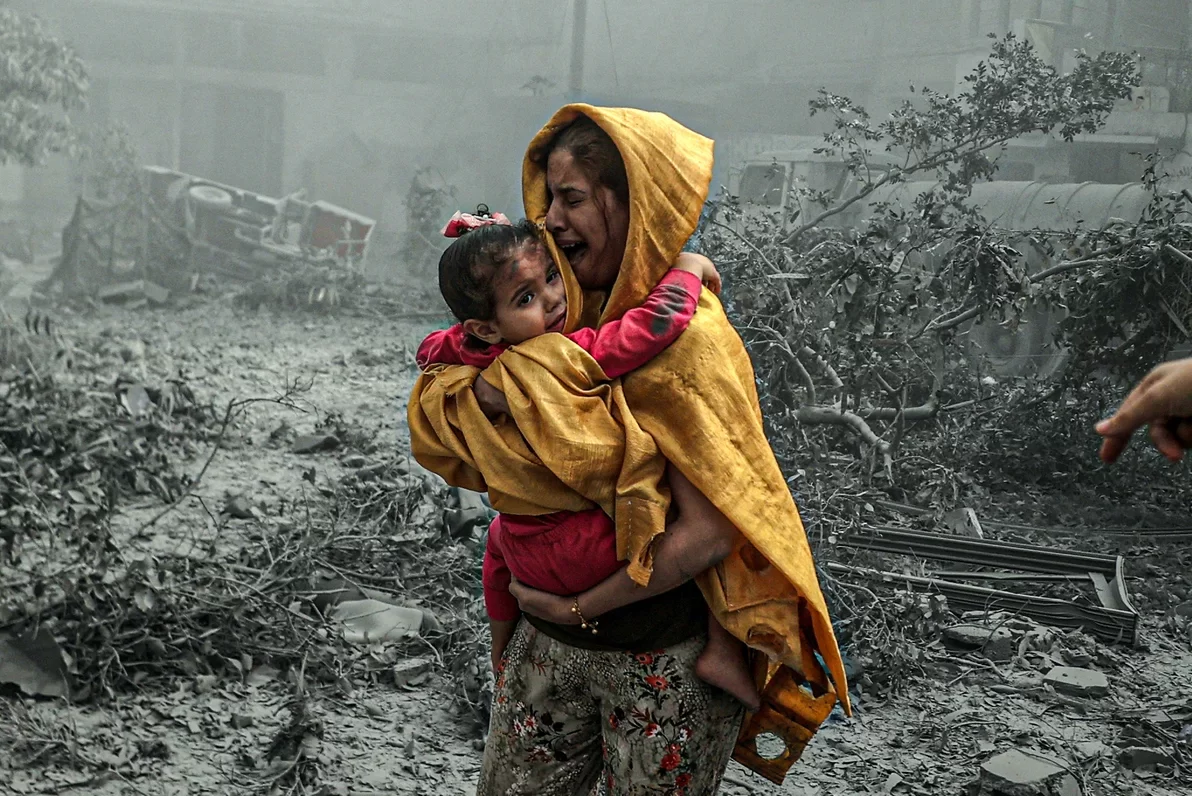
When airstrikes rain down on residential buildings, when hospitals flood with the wounded, when journalists are killed, the coverage is often muted, symmetrical, sanitized. Terms like “clashes” and “crossfire” erase the reality of disproportionate force. Editors spike stories. Headlines are rewritten to imply balance, even when there is none. Why?
This is not a story about journalism failing. It is a story about journalism being forced to fail—by pressure campaigns, political intimidation, career fear, and corporate caution. Gaza has become a litmus test for editorial independence. And too often, the institutions that claim to speak truth to power fall conspicuously silent when that power is pro-Israel.
The Invisible Editorial Hand
Ask any Middle East correspondent off the record, and they’ll tell you the same thing: there is always someone looking over their shoulder when it comes to Gaza. “There’s an extra layer of vetting,” says one former senior reporter for a major U.S. network. “You could cover war zones all day. But the minute the story is about Gaza, everything slows down. Legal gets involved. PR gets involved. Standards and practices suddenly take the front seat.”
Editors use vague language like “context,” “balance,” or “objectivity” to gut a piece of its impact. Photographs of wounded children are deemed too “disturbing.” Using the word “occupation” is quietly discouraged. Headlines are neutralized to avoid “backlash.”
But backlash from whom?
The Pressure Machine
In the U.S., U.K., and Canada, there are well-organized lobbying groups that monitor media coverage of Israel-Palestine with aggressive efficiency. These include:
- AIPAC (American Israel Public Affairs Committee) and its local surrogates, which wield enormous political and donor influence.
- CAMERA (Committee for Accuracy in Middle East Reporting in America), which regularly pressures outlets, journalists, and editors with complaints, calls, and public campaigns.
- HonestReporting, a media-monitoring group that targets reporters and editors it accuses of “anti-Israel bias.”
These groups don’t just write letters. They mobilize. They flood inboxes. They call advertisers. They orchestrate social media campaigns. They contact editors directly.
And it works.
“I had a piece about the bombing of a refugee camp held for over a week,” said one journalist from a major American daily. “My editor finally said, ‘We’re not trying to pick a fight with CAMERA right now.’ That was it. No notes on the reporting. Just politics.”
Self-Censorship in Newsrooms
The result isn’t just what gets cut—it’s what never gets written. Many journalists know that writing truthfully about Gaza can tank careers. Editors quietly steer clear of assigning deep dives or investigative pieces that might “cause problems upstairs.”“It’s not like someone walks in and says ‘Don’t write this,’” said a former BBC producer. “It’s more like: you know what will create stress, what will make your boss uncomfortable, what could ruin your chance at the next job. So you pull your punches. Everyone does it.”
And when a reporter doesn’t pull back? The system often pushes back for them.
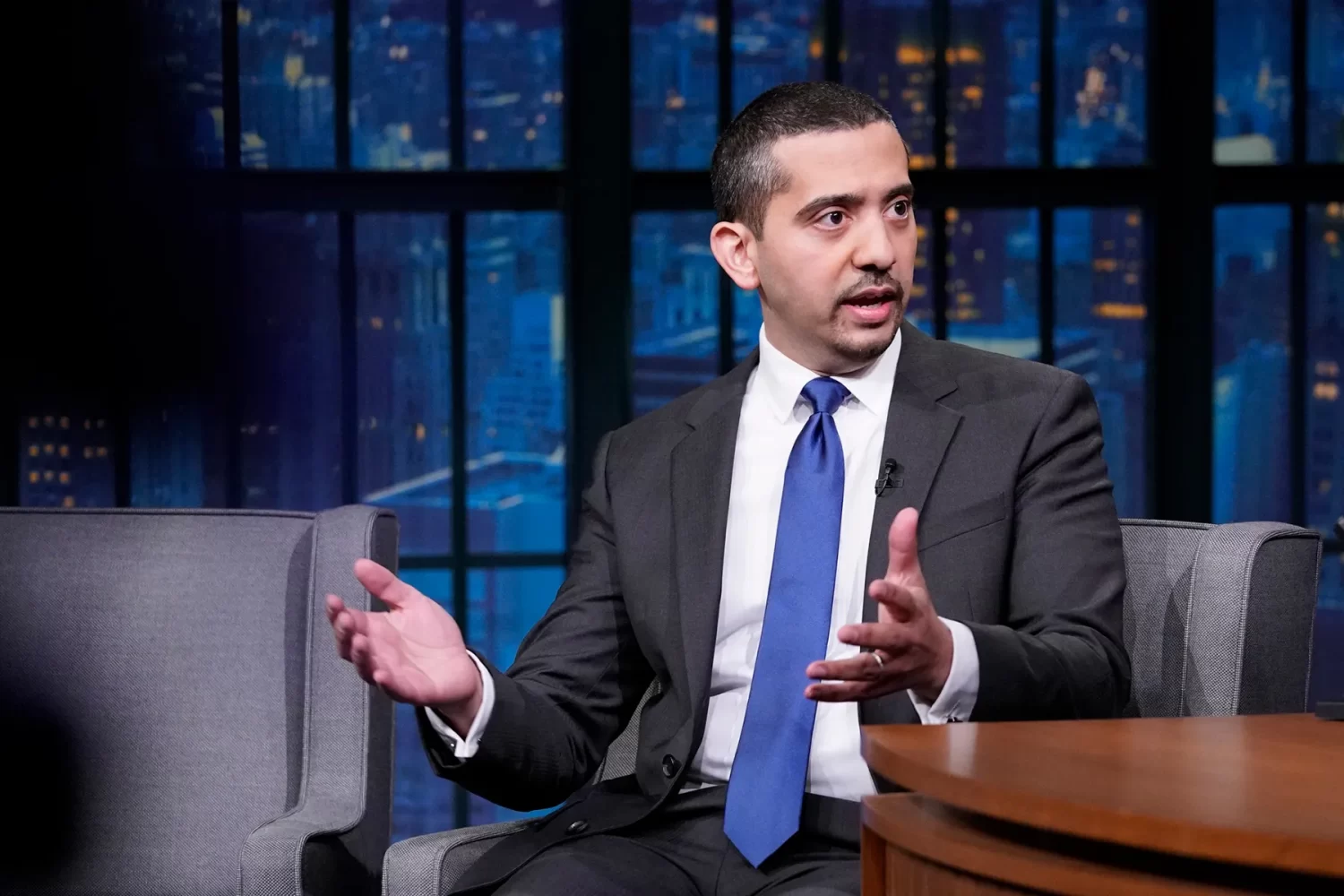
Mehdi Hasan, formerly of MSNBC, openly criticized his own network’s lack of coverage and later left the company. Longtime Middle East correspondents like Robert Fisk and Chris Hedges have spoken about editorial silencing, reassignment, or marginalization.
“You want to talk about Gaza honestly? Be prepared to lose access, lose your job, or lose your platform,” said a freelance photojournalist who has worked in Rafah and Khan Younis. “It’s career suicide.”
Corporate Fear and Political Ties
Most major Western media outlets are owned by large conglomerates with business interests and political connections. This includes:
- Comcast (NBCUniversal): Political donors to pro-Israel politicians.
- News Corp (Fox, Wall Street Journal): Openly right-wing, with editorial lines that support Israeli policy.
- Disney (ABC): Historically cautious on any story that risks brand image.
- Warner Bros. Discovery (CNN): Caught in multiple public criticisms of biased coverage, but slow to change.
These companies don’t need to be told what to do. They operate with a built-in risk calculator. If the story could alienate powerful advertisers, provoke lobby groups, or threaten political relationships—it’s softened, delayed, or dropped altogether.
And in the streaming and podcast world, the rules aren’t much better. Entire series exploring Palestinian life have been pitched and rejected for being “too political,” “too risky,” or—most ironically—“not relevant.”
Social Media, Algorithmic Censorship, and Platform Bias
For independent journalists and activists who try to fill the silence, a new problem arises: platform censorship.
Instagram has been accused of suppressing Palestinian content, sometimes removing stories showing violence against civilians with vague justifications like “violating community standards.” Twitter/X shadowbans Palestinian voices. TikTok removes footage deemed “sensitive”—often targeting those documenting airstrikes or mass displacement.
And it’s not a conspiracy theory. Facebook whistleblowers and former moderators have confirmed internal bias. In 2021, a leaked document showed Facebook staff raising alarm about systematic removal of Palestinian content while Israeli advocacy remained untouched.
The result? A war the world sees through a pinhole.
The Human Cost of Silence
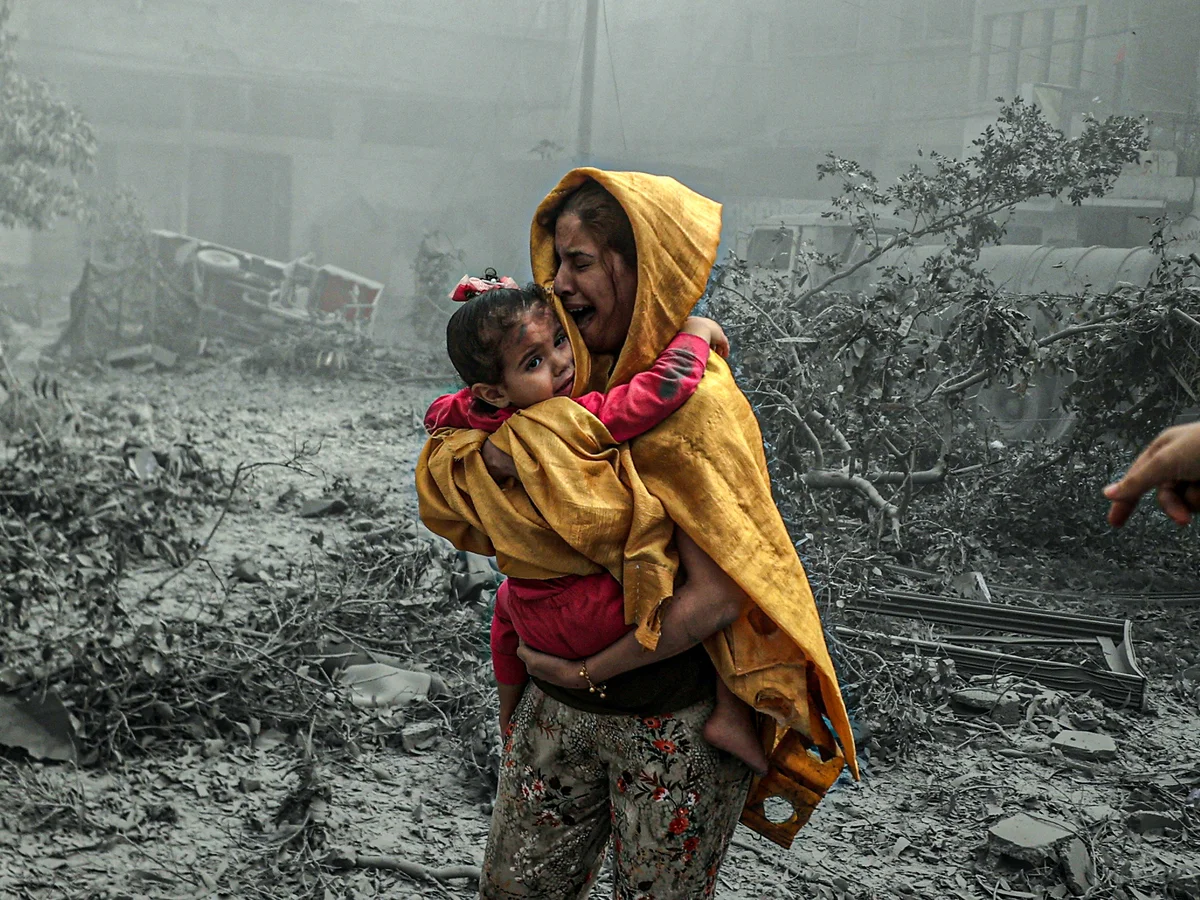
While media hesitates, people die. Infrastructure collapses. Stories go untold. Each time a newsroom softens a headline or delays an exposé, they’re not just shaping narratives—they’re shaping outcomes.
Gaza is not voiceless. It is full of artists, doctors, photographers, teachers, and journalists—many of whom have died trying to show the world what is happening. But without amplification, their voices are buried beneath rubble and spin.
“When Western media is silent,” said a Palestinian journalist who has lost four colleagues to airstrikes, “it gives cover. It tells the world that our lives are negotiable.”
There Are Exceptions
Not every outlet is silent. Publications like The Intercept, Democracy Now!, Mondoweiss, and some segments of Al Jazeera English report with depth and courage. Independent journalists like Sharif Kouddous, Mohammed El-Kurd, and others have built audiences despite the obstacles.
But these remain outside the mainstream—and often face their own censorship battles.
The Way Forward
The solution isn’t simply “more balance.” It’s honesty. Gaza doesn’t need equal billing with Israeli government talking points—it needs truth. That includes acknowledging power imbalances, settler violence, blockade policies, and the real toll on civilian life.
Media institutions must confront their own complicity and ask: who are we protecting, and who are we failing?
It’s also up to readers and viewers to demand more. To ask not just what’s being shown, but what’s being hidden—and why.
Because silence is never neutral. In the case of Gaza, it is deadly.